

Mesotherapy for Aesthetics
Thornhill | Natural Results & Safety Overview
At Wilderman Medical & Cosmetic Clinic, Mesotherapy for Aesthetics treatments are delivered in a medical environment, using individualized settings based on your skin type, comfort, and long-term goals.
Non-surgical. Collagen-stimulating. Evidence-informed. Natural results.
What Is Mesotherapy?
Mesotherapy is a treatment technique that uses a series of small, shallow injections placed into or just beneath the skin. The substances injected vary widely between clinics and may include hyaluronic acid–based skin boosters, vitamins, enzymes, platelet-rich plasma (PRP), or fat-reducing agents.
Because products, dosing, injection depth, sterility standards, and provider expertise differ significantly, the quality of scientific evidence for mesotherapy varies by indication. Some applications are supported by stronger clinical data and clearer regulation than others, which is especially relevant for patients who prefer a conservative, safety-first approach.
Importantly, mesotherapy describes how substances are delivered, not what is delivered. Outcomes and risks depend on the specific product and protocol used. Treatments involving well-studied, regulated substances tend to produce more predictable results, while multi-ingredient or compounded “cocktails” are less standardized and harder to evaluate.
Morpheus8 + Free Alastin Kit
Get Morpheus8 + Free Alastin Kit NOW (valued at $260) for $999+tax! *The Alastin Kit is specially designed to prepare and heal your skin for Morpheus8 procedure.
Ready to explore a safe, science-backed treatment for firmer, smoother, more lifted skin?
What concerns would Mesotherapy treatment be suitable for?



Why Do People Pursue It?
In aesthetic practice, mesotherapy is commonly offered for:
- Improving skin quality (hydration, radiance, texture, and fine lines)
- Reducing localized fat (most notably under the chin)
- Improving the appearance of cellulite
- Addressing hair concerns
Each of these goals has a different level of scientific support, and they should not be considered interchangeable.

Documented Benefits Supported by Strong Evidence
1. Skin Quality
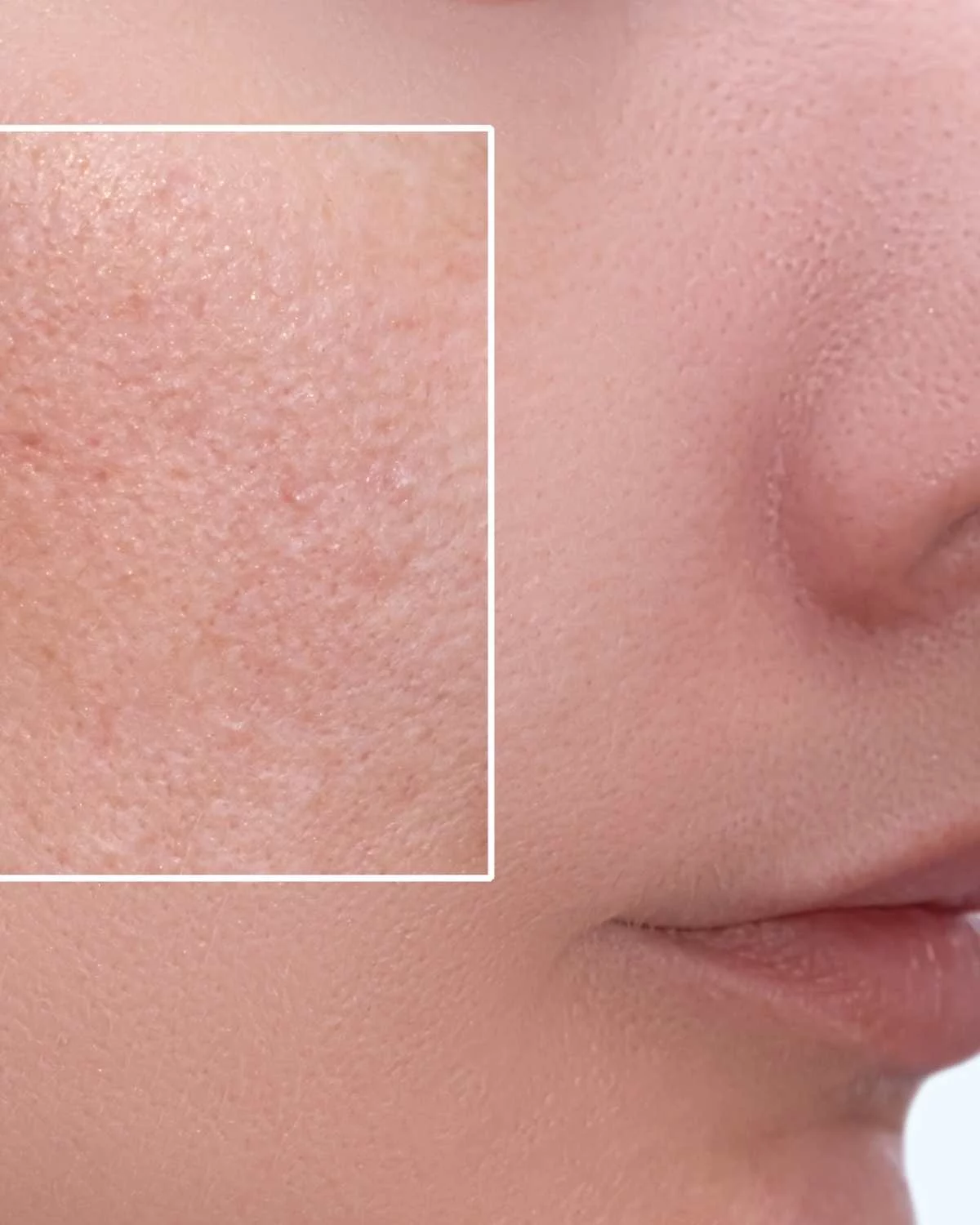
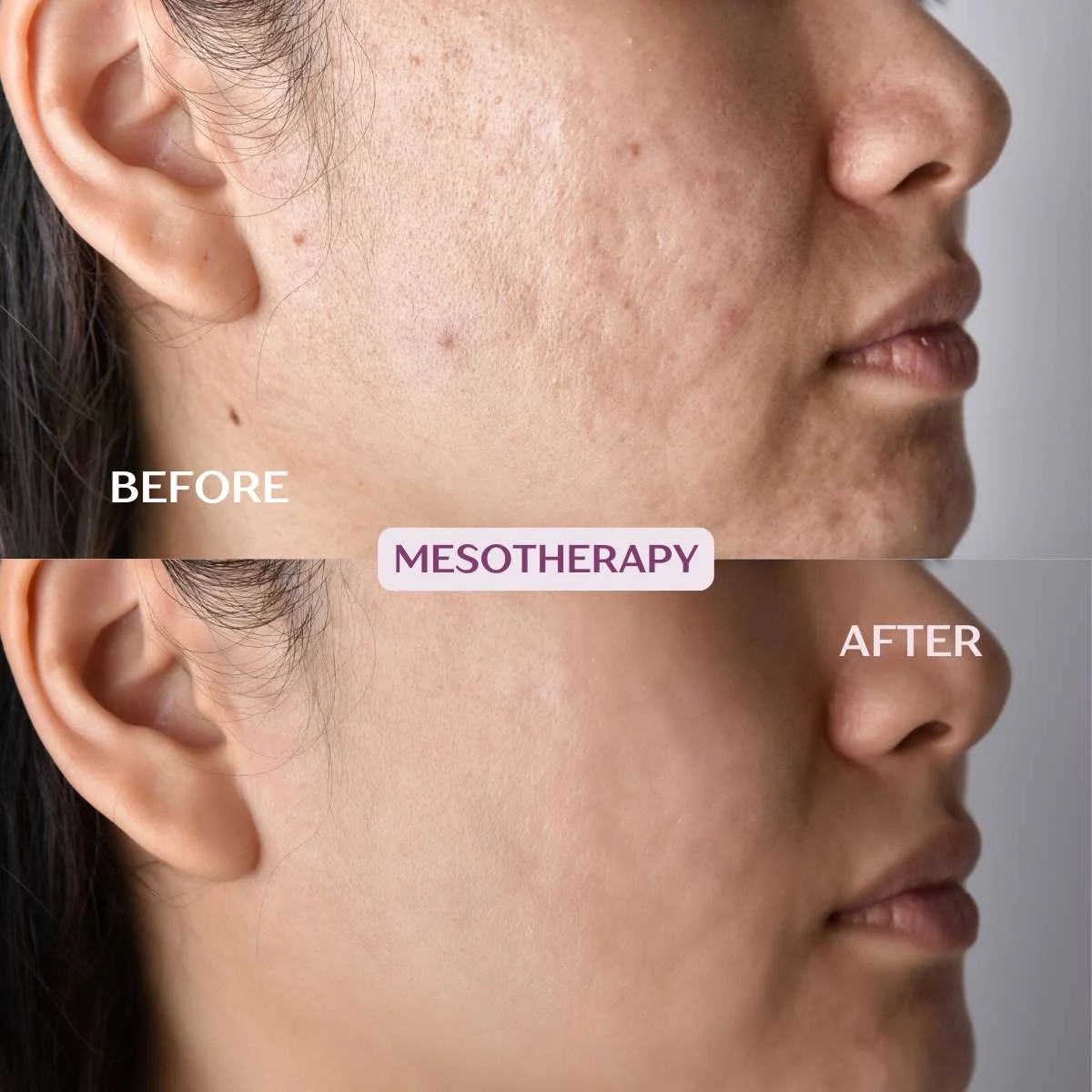
Among mesotherapy-style treatments, intradermal injections of hyaluronic acid (HA) have some of the most consistent evidence for improving skin hydration, elasticity, texture, and overall appearance over short- to medium-term time frames.
When effective, patients often describe their skin as looking more hydrated, smoother, and better rested. These improvements are subtle and natural-looking rather than dramatic. HA skin boosters are not designed to lift or replace lost volume, but to support overall skin quality.
From a conservative perspective, it is important to note that study designs, HA formulations, and treatment schedules vary. Results are not identical across products or patients, and durability is usually measured in weeks to months, with maintenance treatments often required.
2. Localized Fat Reduction
When the goal is reducing submental fat (under the chin), the strongest evidence supports the use of deoxycholic acid injections, commonly known as BELKYRA (KYBELLA in the USA).
This treatment has been evaluated in multiple Randomized Controlled Trials (RCTs).
Deoxycholic acid is specifically approved for submental fat, and its safety and effectiveness outside that area have not been well-established. In practice, some patients achieve visible contour improvement after multiple sessions.
Results can be long-lasting if fat cells are destroyed and body weight remains stable, although swelling and discomfort are common during the treatment phase.
Where Benefits Are Possible but Less Dependable
Cellulite Appearance
Mesotherapy has been studied for reducing cellulite, but results have been inconsistent.
Injected substances, outcome measures, and study quality vary widely, making it difficult to draw firm conclusions. When improvements are reported, they are often modest and may require ongoing maintenance.
“Rejuvenation Cocktails” (vitamins, enzymes, mixed solutions)
Some older controlled studies have shown no meaningful clinical or tissue-level improvement from certain mesotherapy “cocktails.” Multi-ingredient mixtures are generally harder to justify from a conservative, safety-focused standpoint.
Risks and Downsides
Expected, usually temporary effects
Common side effects associated with injections include:
- Swelling, redness, or tenderness
- Bruising
- Temporary firmness or small lumps at injection sites
With deoxycholic acid treatments, swelling, pain, numbness, and nodules are more common and should be considered part of the expected short-term tradeoff.
Less common but Important: Infection Risk
The most concerning complications reported with mesotherapy involve skin infections, including nontuberculous mycobacterial infections. These are uncommon but can be difficult to treat when they occur.
Infection risk increases when sterility standards are inadequate, products are poorly controlled, or injections are performed outside of properly regulated medical environments. This makes provider training and clinic standards central to safety.
Regulatory and Standardization Uncertainty
Professional societies have repeatedly noted that for many mesotherapy mixtures and aesthetic claims, high-quality evidence and standardized protocols are limited. Beyond deoxycholic acid for submental fat, many mesotherapy applications lack strong confirmation of safety and effectiveness.
This uncertainty does not automatically mean a treatment is unsafe, but it does mean outcomes are less predictable, and risk management relies heavily on clinician judgment and experience.
Get Your Best Deals with us!
Get the best Botox® Deal with us!
We use Ultrasound-guided injections! Dramatically increasing accuracy, greatly reducing the risk of injury, as well as minimizing pain and discomfort.
Durability
Skin Quality (HA-based intradermal treatments):
- Improvements are often noticeable within weeks
- Results are not permanent
- Maintenance treatments are commonly needed
Submental Fat (deoxycholic acid):
- Usually requires multiple sessions
- Results can be longer-lasting with stable weight
Cellulite and Mixed Cocktails:
- Durability is less predictable due to variable benefits and inconsistent protocols
Suitable Candidates
Mesotherapy is most appropriate when:
- The product selection and clinical indication are clearly defined and supported by evidence (for example, hyaluronic acid–based skin boosters for improving skin quality, or deoxycholic acid for approved treatment of submental fat)
- The procedure is performed in a licensed medical setting with strict sterility and safety standards
- The aesthetic goal is subtle refinement and skin improvement rather than dramatic transformation
How to Evaluate a Clinic Offer
Before proceeding, it is reasonable to ask:
- What exactly is being injected, and is it a regulated product?
- Is the treatment protocol standardized?
- What infection-control measures are used?
- How are complications managed if they arise?
- How will results be evaluated over time?
These questions help reduce avoidable risk and align expectations.
Mesotherapy is best understood as a delivery method rather than a single treatment. Its effectiveness depends on the substance used, the indication, and the provider’s expertise.
For skin quality, hyaluronic acid–based intradermal injections have the strongest evidence and provide short- to medium-term improvements in hydration, texture, and radiance. Effects remain subtle and require ongoing maintenance.
For submental fat, deoxycholic acid remains the most evidence-supported option, with clear regulatory approval and established clinical data.
For cellulite and multi-ingredient cocktails, evidence of benefit is less consistent. A conservative approach is advised, as outcomes are uncertain and there is a small but real risk of injection-related complications, most notably infection, especially if proper quality controls are not strictly followed.