
Platelet-Rich Fibrin (PRF) for Aesthetics
Thornhill | Natural Results & Safety Overview
At Wilderman Medical & Cosmetic Clinic, Botulinum Toxin (Botox) treatments are delivered in a medical environment, using individualized settings based on your skin type, comfort, and long-term goals.
Non-surgical. Collagen-stimulating. Evidence-informed. Natural results.

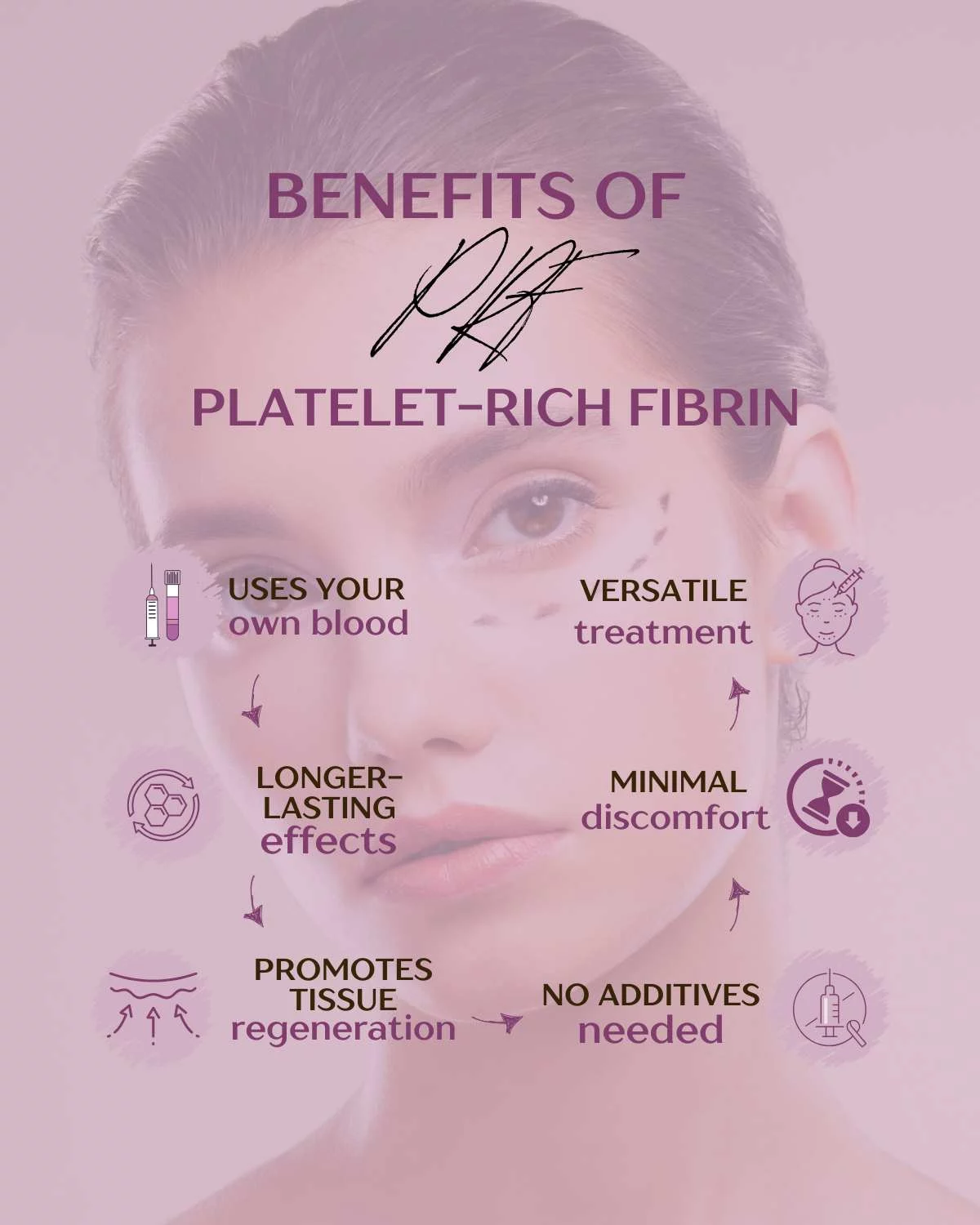
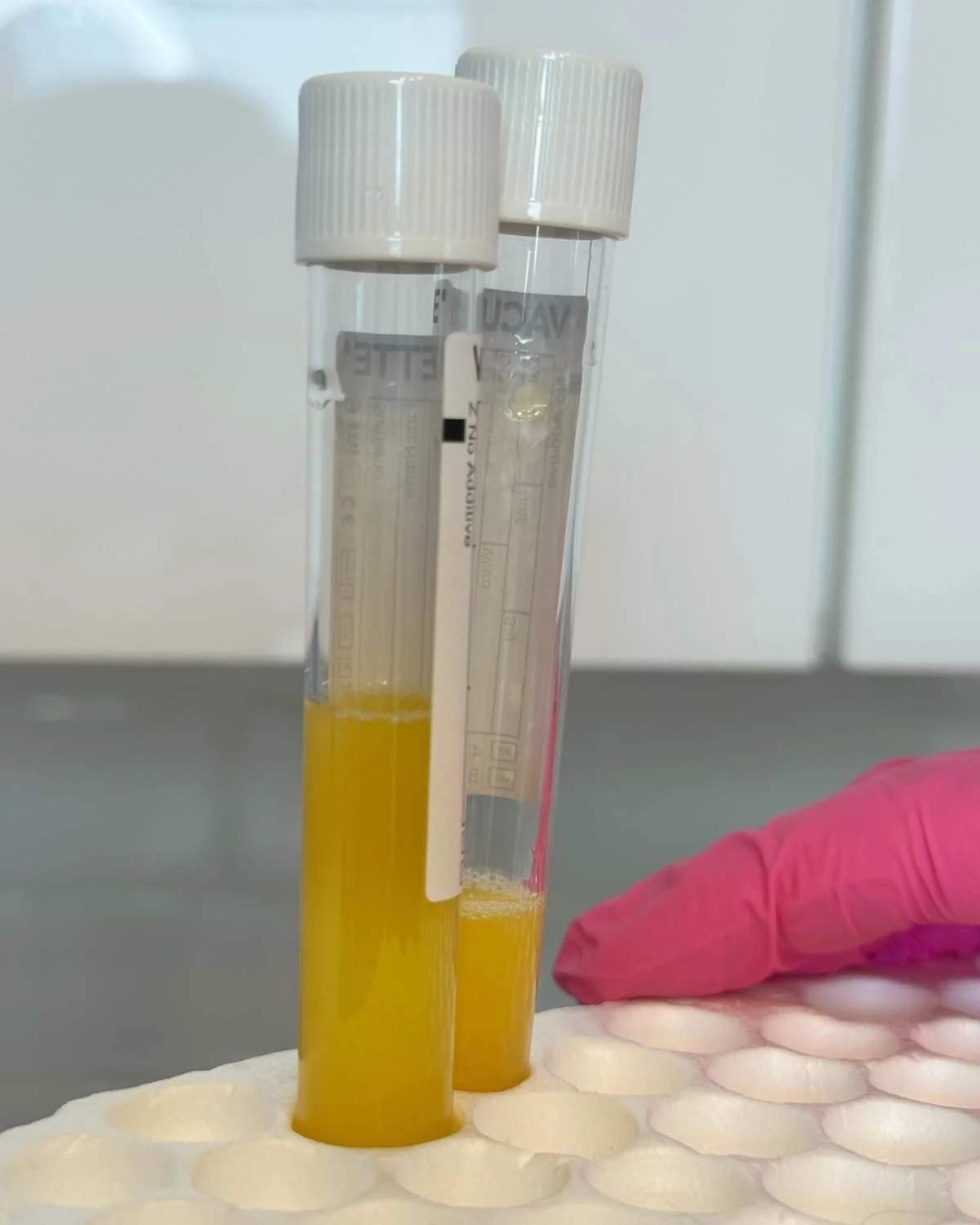
Platelet-rich fibrin (PRF) is a regenerative treatment that uses a small sample of your own blood, which is repositioned in targeted skin or facial areas. Because PRF is autologous, it avoids the use of synthetic or foreign materials and works with your body’s natural healing processes.
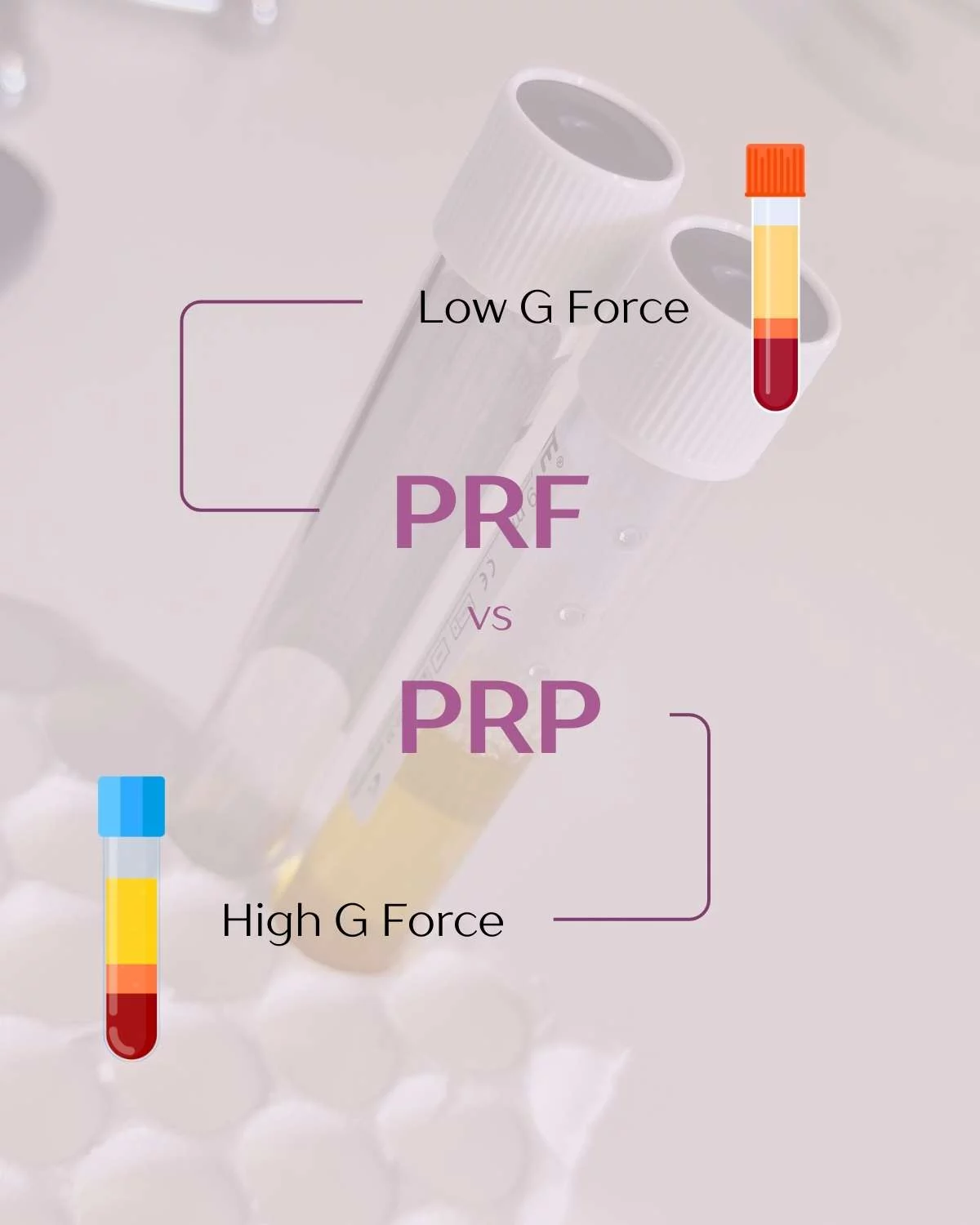
PRF is often described as a second-generation platelet treatment, distinct from platelet-rich plasma. It forms a fibrin framework that allows the gradual release of growth factors. For this reason, PRF is primarily used to improve skin quality, such as texture and elasticity, rather than to provide immediate volume or filler-like effects.
PRF is most commonly used in liquid injectable form for superficial or intradermal injections and is sometimes combined with microneedling. Matrix or clot forms are mainly used in surgical or dental settings. PRF’s effects emerge gradually, depending on the individual’s response, and aim for natural skin improvement.
Referral program
Refer your friends & fam and get $50 credit for each person who books and completes a treatment!
Use your credit on any treatment. There’s no limit—refer as many as you want!
Credit applied after your referral’s first visit.
5% Cash Back program
5% cash back on ALL treatments, all year long.
That’s right, every facial, every procedure, every appointment puts money back in your hands. 2026 is officially the year of having it all.
Ready to explore a safe, science-backed treatment?
Which area are you planning to treat with Platelet-Rich Fibrin (PRF)?
Why People Pursue PRF for Appearance
Most patients who consider PRF are looking to improve skin quality rather than dramatic changes in facial shape. Common goals include smoother texture, softer fine lines, and a more refreshed appearance.
PRF is often discussed for delicate areas, particularly around the eyes, where patients may want improvement in skin quality without adding volume. It is also sometimes used alongside microneedling for acne scarring or overall skin rejuvenation. Natural alternative of filler, skin regeneration and rejuvenation, hair loss, discolouration, wrinkles, scars.
Typical aesthetic goals include:
- Improved skin texture and fine lines, especially in the under-eye area
- Increased skin elasticity and firmness
- Subtle brightening or refreshed appearance
- Improvement in certain types of acne scars, most often when combined with microneedling
Results vary, and PRF should be viewed as a gradual approach rather than an immediate solution.

Documented Benefits: What the Better Studies Suggest
1. Under-Eye and Periorbital Rejuvenation (Texture and Fine Lines)
Systematic reviews and clinical studies suggest that PRF can improve skin texture, fine lines, and crepiness around the eyes. Patient satisfaction in these studies is generally high, and reported side effects are usually mild and temporary.
Some evidence suggests that PRF may be better suited for texture and fine lines rather than pigmentation concerns. Larger and longer studies are still needed, but current data support cautious use in the under-eye area when performed by an experienced clinician.
From a conservative perspective, PRF is most defensible in this region for skin-quality improvement rather than volume replacement.
2. Global Facial Skin Quality (Density, Thickness, Elasticity)
Studies examining PRF and related platelet treatments show more consistent improvements in skin density and elasticity than in pigmentation or hydration. Small imaging studies have demonstrated measurable increases in skin density after a short treatment series, including in the lower eyelid area.
While these findings are encouraging, they are best interpreted as early evidence rather than definitive proof. Expectations should remain modest and realistic.
PRF appears most appropriate when the goal is overall improvement in skin quality, such as firmer, denser, and smoother skin, rather than dramatic visible change.
3. Atrophic Acne Scars
Acne scarring is one of the clearer areas where PRF may add benefit, particularly when used alongside microneedling.
Clinical studies comparing microneedling alone with microneedling combined with injectable PRF show greater improvement and higher patient satisfaction in the combined treatment groups. PRF used on its own appears less effective than when paired with a collagen-stimulating procedure.
For acne scars, PRF is most effective when combined with collagen-stimulating procedures rather than alone.
Durability: How Long Results Last
Durability remains one of the more uncertain areas of PRF treatment. Many studies show visible improvement for several months, particularly in the under-eye area, with effects often diminishing around the six-month mark.
Most research focuses on short-term outcomes measured over weeks to a few months. This makes it difficult to determine how long results last without maintenance.
PRF is typically given as a short series of treatments, followed by reassessment. It is best considered maintenance-friendly rather than permanent.
A realistic expectation is that PRF improves skin quality but may require ongoing maintenance treatments.
Risks and Downsides
Common, Usually Mild and Temporary Effects
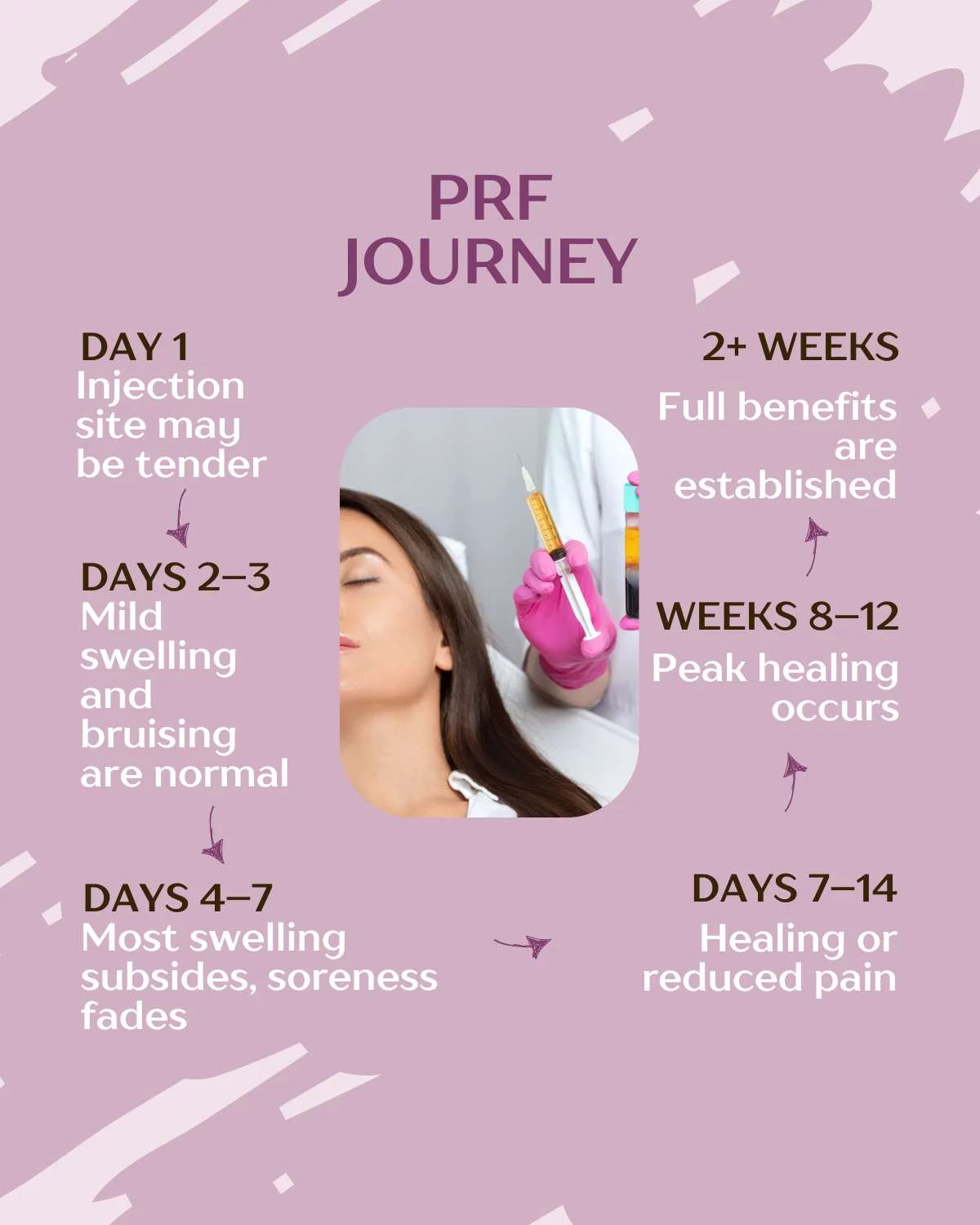
Commonly reported side effects are localized and mild, including tenderness, swelling, redness, bruising, and temporary unevenness that resolves as swelling subsides.
These effects are common with injectable treatments and typically resolve without intervention.
Infection Risk
Because PRF is prepared from blood and cannot be sterilized like a manufactured medication, strict infection-control practices are essential. Proper handling during blood collection, processing, and injection is critical.
Infection is uncommon but has been reported in both clinical studies and adverse event reviews.
This risk underscores the importance of receiving PRF in a medical setting with appropriate sterile technique.
Rare but Serious Complications
Serious complications are rare but have been reported in the broader platelet-based injection literature, including complications around the eye. These events are uncommon and often described in case reports rather than large trials.
This does not mean PRF is inherently dangerous, but it reinforces the importance of experienced medical injectors and careful technique, especially in delicate areas.
Who Should Be More Cautious or May Not Be a Good Fit
PRF may not be suitable for everyone. Providers are typically more cautious when patients have:
- Active skin infection or significant inflammation in the treatment area
- Bleeding or clotting disorders, or medications that significantly affect bleeding
- Medical conditions that make blood draws or injections more complex
These factors are normally reviewed as part of routine medical screening.
Get Your Best Deals with us!
Get the best Botox® Deal with us!
We use Ultrasound-guided injections! Dramatically increasing accuracy, greatly reducing the risk of injury, as well as minimizing pain and discomfort.
Uncertainty: Why PRF Results Can Vary
PRF outcomes are not perfectly predictable for several reasons. Preparation methods are not standardized, meaning different systems and techniques can produce different cellular content.
Many studies are small and vary in design, which limits precise comparisons. In addition, some outcomes rely on patient-reported satisfaction, which is meaningful but difficult to measure objectively.
These uncertainties do not negate PRF’s potential benefits, but they do support a cautious and individualized approach.
A Conservative Decision Framework: When PRF Is Worth Considering
PRF is a good option when:
- The goal is to improve skin quality, including texture and fine lines.
- Gradual results are acceptable.
- Preference for autologous options.
- The patient understands that maintenance may be needed.
PRF may be less effective when:
- Significant volume replacement or lifting is desired.
- Long-term durability from a single treatment is a priority.

PRF is a practical, evidence-supported choice for patients seeking to improve skin quality, especially texture and fine lines. Clinical studies show consistent patient satisfaction and improvements in density and elasticity, with side effects usually mild when treatment is performed properly.
From a conservative perspective, the key trade-off is between predictability and safety.
Preparation methods vary, studies are often small, and durability beyond the short- to medium-term remains unclear.
When PRF is approached as a gradual, maintenance-based strategy and performed by an experienced provider, it offers an effective option for those seeking to enhance skin quality.