

Vascular Occlusion Protocols That Protect Skin and Patient Trust
A systematic approach to reduce harm and reassure patients and providers
Vascular occlusion is one of the most urgent and emotionally distressing complications in aesthetic medicine. It’s rare, but one of the most dreaded adverse events following injectable filler treatment, and for good reason. The consequences can be anything from transient tissue ischaemia to skin necrosis, loss of vision, or, in very rare cases, stroke. Modern protocols go beyond protecting tissue. They also help maintain patient confidence, encourage rapid decision-making, and provide a clear structure for communication during a high-stress event.
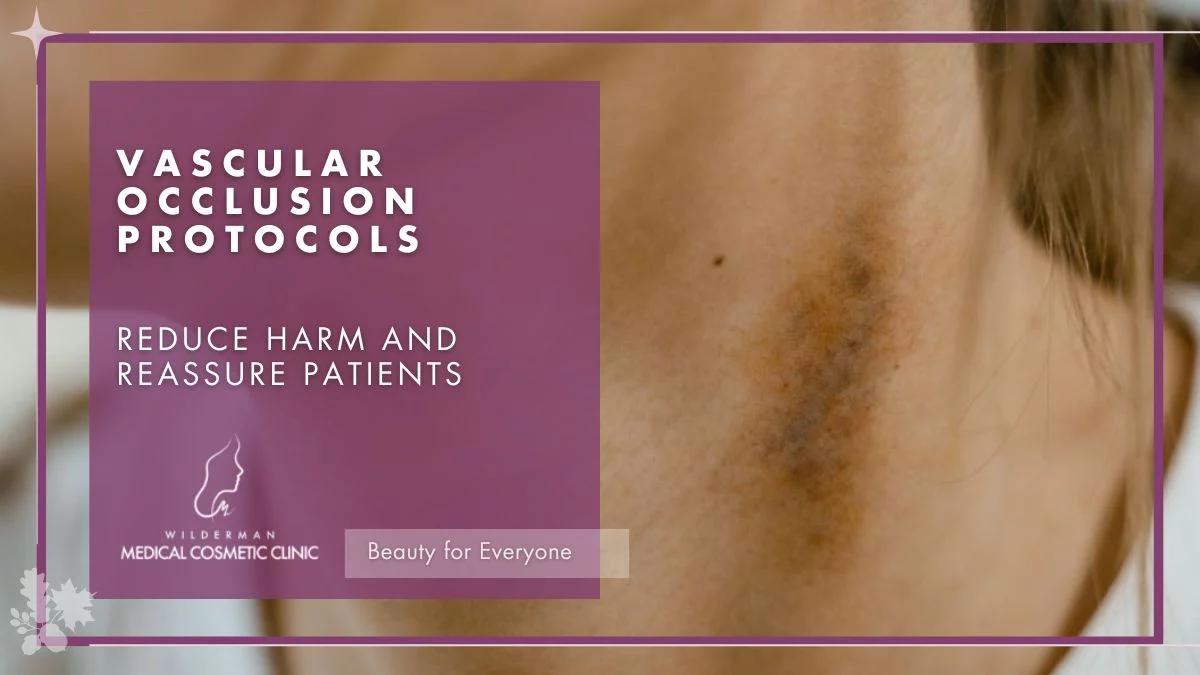
The current evidence repeatedly shows that early recognition, immediate escalation, and structured pathways of management are some of the most important factors that affect outcomes.
Clinical Definition and Pathophysiology of Filler-Related Vascular Occlusion
Vascular occlusion is an event where blood flow is compromised after injectable filler treatment. This interruption can be due to direct intravascular filler embolisation, where filler enters and occludes a vessel, or external compression of a vessel by filler deposited in the surrounding area. In either event, downstream tissues are deprived of oxygen and nutrients, resulting in ischaemia and possibly irreversible tissue injury without rapid restoration of circulation.
It’s fast, the biological process. Reduced blood flow causes tissue to become oxygen-deprived, resulting in cellular dysfunction, inflammation, and progressive tissue damage. In cutaneous involvement, patients may initially notice blanching, pain, livedo-like discolouration, delayed capillary refill, or abnormal skin colour changes. In more severe cases with vessels feeding into the ophthalmic circulation, retinal ischaemia may occur, leaving a narrow therapeutic window for visual preservation.
The reason structured protocols are so important is simple: tissue injury occurs over time. With every minute that passes, the likelihood of permanent damage grows. Preparedness, recognition, and escalation are not optional. They are fundamental components of patient safety.
The Patient Journey: Recognizing Early Signs Before Damage Progresses
The first problem for many patients is to realise that something is wrong. Early loss of blood supply to the area is often mistaken for normal swelling, bruising, or soreness after the procedure. This misreading can delay assessment at the time when intervention matters most. Common warning signs include pain out of proportion, unusual blanching, mottled discolouration, delayed capillary refill, and skin changes beyond expected bruising associated with the injection.
Patients tend to minimise symptoms, thinking that everything that happens after a procedure is normal. On the other hand, some people are extremely anxious about benign bruising and fear catastrophic complications. Effective protocols, therefore, emphasise patient education before treatment so that individuals understand which symptoms require immediate communication with their provider and not just clinical assessment. When patients know what to monitor and who to call with a concern, trust is reinforced.
Differential Diagnosis: Distinguishing Vascular Occlusion from Similar Presentations
| Condition | Similar Features | Key Differentiator |
| Vascular occlusion | Pain, discoloration, skin changes | Blanching, livedo pattern, delayed capillary refill, ischemic progression |
| Post-procedure bruising | Purple or blue discoloration | Normal tissue perfusion and expected healing progression |
| Localized edema | Swelling and tenderness | No evidence of ischemia or compromised circulation |
| Allergic or inflammatory reaction | Redness, swelling, discomfort | Typically diffuse rather than vessel-distribution dependent |
| Infection or cellulitis | Pain, redness, warmth | Usually develops over a longer timeframe and often includes inflammatory signs rather than acute ischemic changes |
And it is crucial to get the right distinction, as the urgency of treatment in these cases varies drastically. The majority of alternatives have a less urgent clinical course. Vascular occlusion is a time-sensitive emergency.
Building Patient Trust During the First Critical Minutes of a Suspected Occlusion
When doctors suspect a blocked blood vessel, the challenge is much bigger than just saving the tissue. Patients immediately feel scared, regretful, blame themselves, and seriously worry about permanent damage. What the medical staff says at this time really affects how much patients trust them later on.
Patients often report feeling more confident when doctors are prepared, communicate clearly, explain what they are checking, outline their plans for what to do next, and follow up regularly. Clear procedures make things less uncertain because they offer a predictable way to respond instead of just making it up as they go. Having an emergency plan already in place is a good way to build trust.
Patients often report feeling more confident when doctors are prepared, communicate clearly, explain what they are checking, outline their plans for what to do next, and follow up regularly.
Evidence-Based Management Strategies Used in Modern Vascular Occlusion Protocols
New guidelines really stress how important it is to spot a problem quickly and act right away to fix it well. If someone has issues because of hyaluronic acid fillers, hyaluronidase is the main recommended treatment. It works by breaking down the filler material that’s causing problems with blood vessels. Many reviews and guidelines show that starting treatment as soon as you can usually leads to better outcomes. Depending on the patient’s specific situation and what the doctor decides, other supportive treatments might be considered. Writings on this topic mention treatments, such as medicines that widen blood vessels, drugs that prevent clots, steroids, and hyperbaric oxygen therapy, plus how to refer patients to specialists. However, the proof for these other treatments isn’t as strong and varies between studies.
What’s also important is that modern guidelines make it clear that these management plans are more than just ways to treat a problem. They are full safety systems. This includes recognizing issues, documenting everything, communicating clearly, monitoring the patient, having a network for referrals, and providing follow-up care.
Treatment Definition, Mechanism, and Medical Context
Vascular occlusion management protocols are emergency-response systems used when filler-related blood flow issues are suspected. They do not serve as treatments on their own, but they organize the steps for assessment, intervention, escalation, and follow-up.
The main goal is reperfusion, which means restoring enough blood flow before damage from lack of blood flow leads to permanent tissue loss. In cases involving hyaluronic acid, the main approach is to dissolve the material blocking the blood flow. However, in situations with non-hyaluronic fillers, management is significantly more difficult since there is no similar reversal agent available.
Primary and Secondary Clinical Scenarios Where Protocols Apply
These protocols are mainly for suspected skin ischemia after filler treatment. Other uses include cases with eye symptoms, neurological issues, significant tissue damage, unclear blood flow, or delayed cases where worsening could happen. The highest-risk situations are those involving facial blood vessels linked to the eye circulation.
Ideal Candidates for Protocol-Driven Care and Those Requiring Special Consideration
Every patient getting injectable fillers can benefit from safety systems that follow established protocols. Some groups of patients may need closer monitoring, such as those being treated in areas with complex vascular structures, those receiving greater amounts of filler, patients who have experienced vascular complications in the past, and individuals whose medical background might impact tissue healing or the strength of their blood vessels.
For practitioners, having protocols in place is equally advantageous as they minimize inconsistency in decision-making during high-pressure situations.
Contraindications, Exclusions, and Limitations of Current Management Approaches
There are no genuine contraindications to assessing a suspected vascular occlusion. The primary issue is the possibility of delayed identification or the tendency to underestimate symptoms. Challenges in management become increasingly evident in cases involving non-hyaluronic fillers, retinal ischemia, or late presentation after tissue damage has occurred. The visual prognosis following blindness caused by fillers is notably unfavorable, even with vigorous treatment, highlighting the significance of prevention and prompt escalation.
What the Clinical Experience Typically Looks Like During Evaluation
If you’re being checked for possible blood vessel problems, expect doctors to look closely at your blood flow, how your symptoms started, and which parts of your body are affected. Treatment usually involves keeping careful records, taking pictures, checking how tissues react, and working with other doctors or specialists. When it comes to how happy patients are, getting a quick response from their doctor often matters more than what the final diagnosis turns out to be.
Patients often feel safe not just because of their results, but also if they feel like they were supported, kept in the loop, and checked on regularly throughout their whole experience.
Recovery, Downtime, and Long-Term Follow-Up Considerations
How well someone recovers really depends on how bad the lack of blood flow was and how long it lasted. If the problem is caught early, people might heal with hardly any lasting issues. But if it takes a while to find, then healing can take a lot longer, and there might be scars, changes in skin color, or even some tissue loss. People often need check-ups long after their body has physically healed because they can still feel very worried about what future treatments might involve. So, long-term care often includes reassuring them, keeping an eye on how things turn out, managing any scars if needed, and having detailed talks about what to do next.
Safety Profile, Risk-Benefit Considerations, and Consequences of Inaction
Getting treatment started fast has big benefits. Acting fast can help stop tissue from dying and usually leads to better results. Hyaluronidase is generally seen as safe, though allergic reactions and local side effects are still possible.
But the risk of not catching or treating a blocked blood vessel properly is much higher. If that blockage isn’t treated, it can lead to tissue dying, permanent scars, loss of function, losing your eyesight, or even severe emotional stress. Because of this big difference in risk, current guidelines say we should always check right away if we suspect a problem with blood flow.
Access Challenges That Influence Outcomes
Patients may encounter barriers that affect timely management, including limited access to experienced injectors, lack of emergency availability outside office hours, geographic distance from specialists, uncertainty about who to contact, and inconsistent complication preparedness across clinics.
From a systems perspective, one of the strongest predictors of successful management is whether the treating clinic has established referral relationships and emergency response procedures before complications ever occur.
Ongoing Management and Adherence Challenges After Resolution
Even after physical recovery, patients may struggle with fear of recurrence, diminished confidence in aesthetic treatments, concern about appearance changes, and uncertainty about future procedures. Providers often underestimate these psychological components.
Successful long-term management requires clear follow-up communication, realistic expectations, and discussion of future risk reduction strategies. Patients who feel abandoned after the acute phase frequently report lower satisfaction regardless of how well the clinical outcome turned out.
Why Structured Protocols Outperform Reactive Responses
The greatest distinction between high-performing and low-performing complication management systems comes down to preparation. Reactive approaches depend on individual judgment under pressure. Protocol-driven approaches standardize recognition, communication, escalation, and follow-up. Current literature increasingly emphasizes that preparedness, staff training, emergency resources, and predefined pathways may influence outcomes as much as the therapeutic interventions themselves.
Managing Expectations: What Protocols Can and Cannot Achieve
Protocols substantially improve readiness and may reduce the likelihood of severe outcomes through earlier intervention. They cannot guarantee a complete reversal of all complications. Outcomes depend on factors including filler type, vascular territory involved, duration of ischemia, patient-specific anatomy, and timing of treatment. Ocular complications remain particularly challenging despite advances in management.
Red Flags That Require Immediate Escalation
The following symptoms warrant urgent professional evaluation: sudden severe pain that feels disproportionate to expected treatment discomfort; blanching or whitening of the skin; mottled or livedoid discoloration; rapidly worsening color changes; visual disturbances; loss of vision; ophthalmic symptoms; neurological symptoms; or progressive skin breakdown following filler treatment.
If you or someone you know experiences any of these signs after a filler procedure, contact a qualified healthcare provider or practitioner immediately. Waiting is not a safe option.
From Successful Recovery to Patient Advocacy
When complications are managed effectively, many patients emerge with a greater appreciation for safety standards, informed consent, and provider expertise. Positive experiences during crisis management often transform patients into advocates who educate peers about the importance of qualified injectors, emergency preparedness, and early symptom reporting.
This advocacy stage reflects something important about how patient trust actually works. Confidence is not built only when everything goes perfectly. It is often strengthened when a clinic demonstrates competence, transparency, and accountability during an unexpected complication.
The Question Worth Asking Before You Book, Not After
Most people don’t think to ask what happens if something goes wrong. This is because nobody expects it to. But it’s a fair question, and the answer says a lot about how seriously a clinic takes patient safety. At Wilderman Cosmetic Clinic, that’s part of the conversation before treatment starts, not something figured out after the fact. It’s worth asking any provider you’re considering the same thing.
Cosmetic services aren’t covered by OHIP. It’s a good idea to confirm costs and coverage directly with the clinic before booking.
Key Points
A vascular occlusion protocol is fundamentally a patient-safety framework designed to recognize, assess, escalate, and manage compromised blood flow before irreversible tissue injury develops. The most important determinants of success are rapid recognition, immediate action, effective communication, and organized follow-up. While modern interventions, particularly for hyaluronic acid-related events, have improved outcomes, prevention and preparedness remain the strongest protective factors. Equally important, trust preservation depends on how providers communicate, educate, and support patients throughout the entire experience, from first symptom recognition through long-term recovery.
Key References
- Murray G, Convery C, Walker L, Davies E. Guideline for the Management of Hyaluronic Acid Filler-induced Vascular Occlusion. J Clin Aesthet Dermatol. 2021;14(5):E61–E69. https://pmc.ncbi.nlm.nih.gov/articles/PMC8211329/
- Kroumpouzos G, Treacy P. Hyaluronidase for Dermal Filler Complications: Review of Applications and Dosage Recommendations. JMIR Dermatology. 2024;7:e50403. https://pmc.ncbi.nlm.nih.gov/articles/PMC10836581/
- Hong GW, Hu H, Chang K, et al. Adverse Effects Associated with Dermal Filler Treatments: Part II Vascular Complication. Diagnostics (Basel). 2024;14(14):1555. https://www.ncbi.nlm.nih.gov/pmc/articles/PMC11276034/
- Soares DJ, Hynes SD, Yi CH, Shah-Desai S, Irving SC. Cosmetic Filler-Induced Vascular Occlusion: A Rising Threat Presenting to Emergency Departments. Ann Emerg Med. 2024;83(1):59–67. https://pubmed.ncbi.nlm.nih.gov/37565956/
- Botha VE, Insull EA. Causes and Management of Sight Threatening Complications of Dermal Filler Injections: A Review. Clin Exp Ophthalmol. 2024;52(3):365–373. https://onlinelibrary.wiley.com/doi/10.1111/ceo.14362
- Mannino M, Lupi E, Bernardi S, Becelli R, Giovannetti F. Vascular Complications with Necrotic Lesions Following Filler Injections: Literature Systematic Review. J Stomatol Oral Maxillofac Surg. 2024;125(12 Suppl 2):101499. https://www.sciencedirect.com/science/article/abs/pii/S2468785523001209
- Vascular Occlusion Following Dermal Filler Injections: A Systematic Review of Clinical Evidence and Emergency Management. Oral. 2026;6(3):51. https://www.mdpi.com/2673-6373/6/3/51
Join us on the journey to your best skin ever!
Beyond Beauty: Elevate Your Routine with Insider Tips and Breakthroughs – Subscribe Now!
Transform your beauty routine into something extraordinary!


