

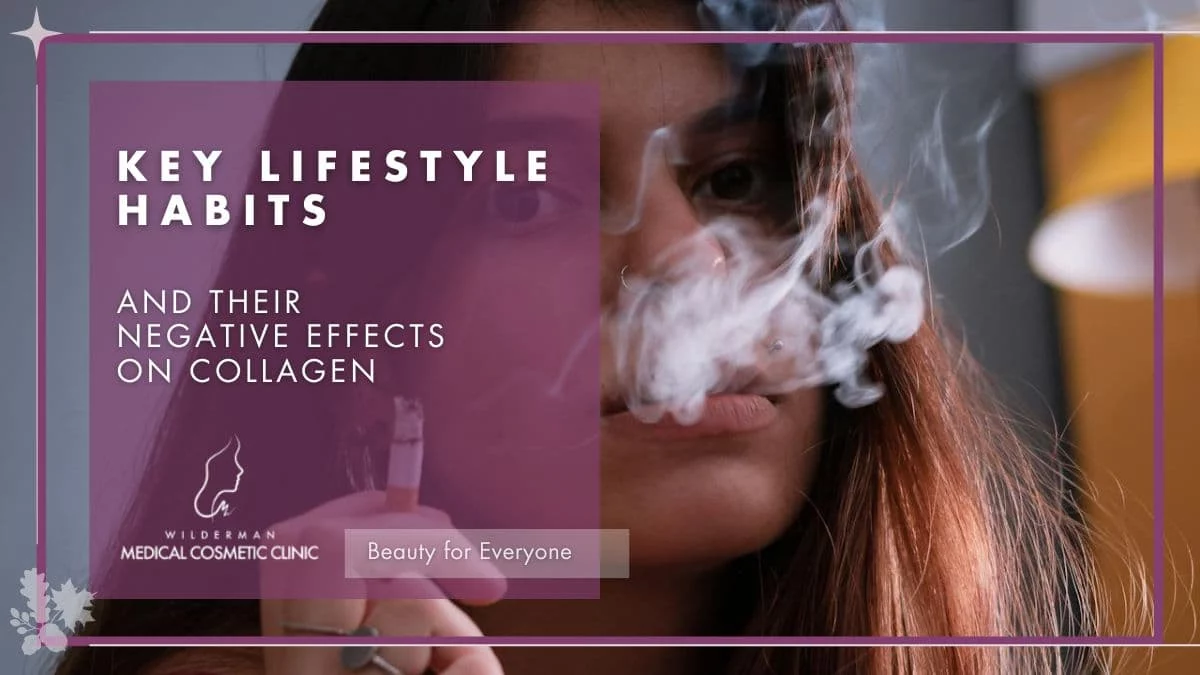
Key Lifestyle Habits and Their Negative Effects on Collagen
Lifestyle Habits and Their Disruptive Effects on Collagen
Everyday lifestyle habits that are often overlooked can disrupt the body’s natural balance between collagen production and degradation.
Over time, this imbalance accelerates aging and compromises tissue function, affecting the skin, joints, bones, and overall health.
PRECISION / SAFETY / COMFORT
Excess Sugar and Refined Carbohydrate Intake
A diet high in sugar and refined carbohydrates promotes glycation, a process where sugar molecules bind to collagen and elastin. This forms harmful compounds called Advanced Glycation End-products (AGEs), which stiffen and weaken collagen, making it brittle and prone to breakdown. As a result, the skin loses its elasticity, contributing to wrinkles, sagging, and reduced firmness. Glycation also increases collagen cross-linking, which limits skin flexibility and resilience. Over time, glycated collagen becomes resistant to breakdown by matrix metalloproteinases (MMPs), leading to the accumulation of damaged tissue and progressive dysfunction.
Excessive sugar intake also promotes oxidative stress and inflammation by activating RAGE receptors. This activation triggers inflammatory pathways and generates reactive oxygen species (ROS), which further degrade collagen. High blood sugar levels can also interfere with the absorption of vitamin C into cells, diminishing its essential role in collagen synthesis and antioxidant defense.
Diets high in sugar are often low in important nutrients such as B vitamins, magnesium, zinc and omega-3 fatty acids. These nutrients are necessary for skin and collagen health. High-glycemic diets are linked to impaired collagen function and poor skin quality, while low-glycemic diets support healthier collagen maintenance. Processed and refined foods further contribute to chronic inflammation and hinder the body’s ability to produce collagen.
Unprotected Ultraviolet (UV) Radiation Exposure
Exposure to ultraviolet (UV) radiation, especially UVA and UVB rays, can significantly damage collagen in the skin. UVA rays penetrate deep into the skin and contribute to long-term effects such as photoaging. UVB rays primarily affect the skin’s surface and increase the risk of skin cancer.
UV radiation stimulates MMP activity and the production of ROS, both of which accelerate collagen degradation. It also triggers inflammation that impairs collagen synthesis. With repeated exposure, collagen fibres become fragmented and disorganized, resulting in visible signs of photoaging such as wrinkles, sagging, hyperpigmentation and pronounced skin thinning.
Smoking
Smoking reduces circulation, which limits the delivery of oxygen and essential nutrients to the skin. It also directly damages collagen and elastin fibres, increasing MMP activity, and generating free radicals that accelerate collagen breakdown. Additionally, smoking depletes the skin of its natural moisture, leading to dryness and premature wrinkles. Repetitive facial movements, such as lip puckering, create deeper lines around the mouth. Smoking cessation has been shown to partially restore collagen production and improve skin integrity over time.
Chronic Alcohol Consumption
Alcohol acts as a diuretic and causes dehydration, which strips the skin of its natural moisture. This results in dryness, dullness, and a loss of skin elasticity.
Chronic alcohol use also impairs the absorption of key nutrients, particularly amino acids and essential cofactors such as vitamin C and zinc, which are critical for collagen synthesis. Additionally, alcohol metabolism generates free radicals and promotes inflammation, which damages the fibroblast cells that are responsible for collagen production. These combined effects compromise the skin’s structural integrity and contribute to sagging, fine lines, and premature aging.
Chronic Stress
Long-term stress raises cortisol levels, a hormone that breaks down collagen and suppresses its production. It also increases the release of inflammatory cytokines such as IL-1β and TNF-α, which degrade existing collagen and inhibit the formation of new collagen. Chronic stress-induced inflammation promotes glycation, leading to the accumulation of AGEs that stiffen collagen fibres.
Stress also stimulates the production of ROS, increasing oxidative stress and impairing collagen’s ability to support skin repair and healing. Beyond the skin, chronic stress can also weaken bones, as collagen is essential for bone structure and strength, increasing the risk of osteoporosis.
Inadequate Sleep
Sleep plays an essential role in collagen repair and skin regeneration. During deep sleep, the body releases growth hormone, which supports tissue repair, including collagen synthesis. Lack of sleep disrupts this process and leads to reduced hydration, impaired skin barrier function, and decreased elasticity. Poor sleep also limits blood flow to the skin, restricting the delivery of oxygen and nutrients required for repair.
Since the body’s antioxidant defences are more active during sleep, insufficient rest reduces the skin’s ability to recover from daily stressors. Chronic sleep loss raises cortisol levels and promotes inflammation and excess oil production, which can worsen skin conditions like acne, eczema, and psoriasis. Over time, poor sleep contributes to fine lines, sagging, puffiness, dark under-eye circles, and slower wound healing.
Exposure to Air Pollution
Air pollution, including particulate matter (PM2.5), nitrogen oxides, ozone, and polycyclic aromatic hydrocarbons, can penetrate the skin and stimulate oxidative stress and inflammation. These pollutants accelerate the breakdown of collagen and disrupt the skin’s microbiome and barrier function.
Fine particles can oxidize lipids, deplete antioxidants like vitamin E and squalene, and stimulate the release of inflammatory cytokines. These combined effects weaken the skin’s natural defences and repair mechanisms. Long-term exposure to air pollution contributes to wrinkles, hyperpigmentation, and chronic skin inflammation.
Nutrient Deficiencies
The body produces collagen by breaking down dietary proteins into amino acids, primarily glycine, proline, and hydroxyproline, which are then used to build collagen molecules. This process relies on enzymes and essential nutrients, including vitamin C, iron, copper, zinc, vitamin A, and oxygen. Without these nutrients, collagen synthesis slows, and tissue strength and resilience are compromised.
Vitamin C is especially important as it acts as a cofactor in the enzymatic process of collagen formation and serves as an antioxidant to protect collagen from oxidative damage. Even with healthy habits, a poor diet that lacks these nutrients can lead to collagen deficiency.
To support collagen production, include foods rich in its key building blocks:
- Vitamin C: oranges, strawberries, bell peppers, broccoli
- Proline: mushrooms, cabbage, asparagus, peanuts, fish, egg whites, meat
- Glycine: red meats, turkey, chicken skin, pork skin, peanuts, granola
- Copper: liver, lobster, oysters, shiitake mushrooms, nuts, seeds, leafy greens, tofu, dark chocolate
- Zinc: oysters, red meat, poultry, beans, chickpeas, nuts, whole grains, dairy, leafy greens
Nutrient Deficiencies
Collagen damage, whether due to natural aging or lifestyle factors, can lead to a wide range of symptoms that extend beyond cosmetic concerns, reflecting a broader impact on the body’s structural integrity.
Skin Manifestations: Early signs of collagen loss include wrinkles, sagging, and a crepey skin texture. As collagen continues to decline, facial hollowing may occur around the eyes and cheeks, and the skin may appear dull or lacklustre. In advanced cases, the skin can become noticeably thinner and show structural changes beneath the surface. UV-related collagen breakdown may also contribute to hyperpigmentation and age spots. Collagen loss reduces the skin’s ability to retain moisture, leading to dryness, flakiness, and a weakened barrier function. This increases susceptibility to irritation, breakouts, and sensitivity. Slower wound healing is also a common sign of collagen deficiency. Weakened collagen may contribute to the appearance of cellulite due to reduced skin firmness and structural support.
Joint and Musculoskeletal Impacts: Collagen is a fundamental component of connective tissues, and its decline has significant effects on the musculoskeletal system. As collagen levels decline, tendons and ligaments lose flexibility and become stiffer, increasing the risk of joint pain and injury. Cartilage breakdown can lead to osteoarthritis, joint stiffness and reduced mobility. Collagen also supports muscle structure, where its loss can result in muscle weakness, generalized aches, and decreased muscle mass. Bone density may also decrease over time, especially when stress and poor lifestyle habits are present, increasing the risk of osteoporosis.
Other Systemic Indicators: Collagen deficiency can also manifest through symptoms such as thinning hair, brittle nails, and poor circulation. Internally, it may affect the integrity of the gut lining, contributing to leaky gut syndrome, which impairs digestion, immune function, and nutrient absorption. These wide-ranging symptoms highlight collagen’s essential role in supporting the health and function of multiple organ systems. When collagen is compromised, it can reduce the body’s physical resilience and increase the risk of both age-related and chronic health conditions.
Conclusion: The Interconnectedness of Lifestyle and Collagen Health
Collagen is essential for the structure and function of the skin, joints, muscles, bones, and internal organs. While collagen production naturally declines with age, many lifestyle factors accelerate its breakdown. These include excessive sugar intake, UV exposure, smoking, alcohol use, chronic stress, poor sleep, and environmental pollution. These factors contribute to collagen loss through interconnected mechanisms such as glycation, oxidative stress, inflammation, and increased MMP activity.
Fortunately, much of this damage is preventable. A lifestyle that includes a nutrient-rich, anti-inflammatory diet, sun protection, smoking cessation, moderate alcohol use, stress management, quality sleep, and reduced exposure to pollutants can significantly preserve collagen health.
Protecting collagen health goes far beyond appearance; it plays an important role in supporting the body’s strength, function, and resilience. Making informed, consistent lifestyle choices can help preserve collagen, promote long-term health, and enhance overall quality of life.
References
1. Collagen: What It Is, Types, Function & Benefits – Cleveland Clinic, accessed June 4, 2025, https://my.clevelandclinic.org/health/articles/23089-collagen
2. Biochemistry, Collagen Synthesis – StatPearls – NCBI Bookshelf, accessed June 4, 2025, https://www.ncbi.nlm.nih.gov/books/NBK507709/
3. Collagen Deficiency: Key Signs, Causes, and Effective Treatment …, accessed
June 4, 2025,
https://www.fortishealthcare.com/blogs/collagen-deficiency-signs-causes-treatment
4. Symptoms Of Collagen Deficiency & How To Prevent It | Zooki, accessed June 4,
2025,
https://zooki.com/en-eu/blogs/guides/symptoms-of-collagen-deficiency-and-how-to-prevent-it
5. Aging and the Impact of Solar Ultraviolet Radiation on the … – MDPI, accessed
June 4, 2025, https://www.mdpi.com/2079-9284/10/2/48
6. 7 Reasons that Skin Collagen Declines and How You Can Support it …, accessed
June 4, 2025,
https://drbaileyskincare.com/blogs/blog/reasons-skin-collagen-declines-and-how-to-support-it-naturally
7. How does sugar impact problem skin and skin ageing – Advanced …, accessed
June 4, 2025,
https://advancednutritionprogramme.com/nutrition-edit/how-does-sugar-impact-problem-skin-and-skin-ageing-/
8. Glycation Damage: A Possible Hub for Major Pathophysiological …, accessed
June 4, 2025, https://www.aginganddisease.org/EN/10.14336/AD.2017.1121
9. Advanced Glycation End-Products (AGEs): Formation, Chemistry, Classification, Receptors, and Diseases Related to AGEs, accessed June 4, 2025,
https://pmc.ncbi.nlm.nih.gov/articles/PMC9029922/
10. apcz.umk.pl, accessed June 4, 2025,
https://apcz.umk.pl/JEHS/article/download/56626/40734/168063
11. Glycation Damage: A Possible Hub for Major Pathophysiological …, accessed
June 4, 2025, https://pmc.ncbi.nlm.nih.gov/articles/PMC6147582/
12. Advanced glycation end products and vascular inflammation …, accessed June 4, 2025, https://academic.oup.com/cardiovascres/article/63/4/582/318389
13. Collagen benefits: Should I take a supplement? | MD Anderson …, accessed June 4, 2025,
https://www.mdanderson.org/cancerwise/should-i-take-a-collagen-supplement.h00-159462423.html
14. Advanced glycation end-product – Wikipedia, accessed June 4, 2025,
https://en.wikipedia.org/wiki/Advanced_glycation_end-product
15. Glycation: Impact on Health and Disease | GlycanAge, accessed June 4, 2025,
https://glycanage.com/blog/glycoscience/glycation
16. Does Alcohol Age Your Skin? | OneSkin, accessed June 4, 2025,
https://www.oneskin.co/blogs/reference-lab/does-alcohol-age-your-skin
17. Oxidative Stress and Human Skin Connective Tissue Aging – MDPI, accessed June 4, 2025, https://www.mdpi.com/2079-9284/3/3/28
18. Inhibition of TNF-α-Induced Collagen Degradation and Oxidative …, accessed
June 4, 2025, https://www.mdpi.com/1467-3045/47/5/376
19. (PDF) Air pollution and skin aging – ResearchGate, accessed June 4, 2025,
https://www.researchgate.net/publication/385772437_Air_pollution_and_skin_agin
g
20. How Stress Destroys Collagen – NBI, accessed June 4, 2025,
21. UV Radiation and Collagen Breakdown | Refine Clinic Blog, accessed June 4, 2025, https://www.refineclinic.ie/uv-radiation-and-collagen-breakdown/
22. essentdent.org, accessed June 4, 2025,
https://essentdent.org/Content/files/sayilar/5/Full%20PDF-43-48.pdf
23. Collagenases and collagen degradation – PubMed, accessed June 4, 2025,
https://pubmed.ncbi.nlm.nih.gov/6282982/
24. 13 Foods That Boost Your Body’s Natural Collagen Production, accessed June 4, 2025, https://www.healthline.com/health/beauty-skin-care/collagen-food-boost
25. Smoking and Wrinkles: What’s the Real Connection? – Healthline, accessed June 4, 2025, https://www.healthline.com/health/smoking-wrinkles
26. Smoking affects collagen synthesis and extracellular matrix turnover …, accessed June 4, 2025,
https://academic.oup.com/bjd/article/146/4/588/6634336?login=false
27. Alcohol and Aging: How Drinking Affects the Aging Process, accessed June 4,
2025, https://boldhealthinc.com/alcohol-and-aging-how-drinking-affects-the-aging-process/
28. How Sleep Deprivation Accelerates Skin Ageing | NIOD – The Ordinary, accessed June 4, 2025,
https://theordinary.com/en-us/blog/impact-of-sleep-on-skin-ageing.html
29. Lack of Sleep Ruins Your Skin—Dermatologists Explain Why, accessed June 4,
2025, https://us.drowsysleepco.com/blogs/drowsy-sleep-guide/how-lack-of-sleep-impacts-skin-dermatologists-explain
30. Air pollution and skin aging | Quality in Sport, accessed June 4, 2025,
https://apcz.umk.pl/QS/article/view/55784
Botulinum Toxin: Insights and Key Information
Personalized Botulinum Solutions at Thornhill’s Wilderman Cosmetic Clinic: Your Path to Flawless Skin
What is Botulinum toxin? The neurotoxin that erases wrinkles and alleviates pain – Botulinum toxin is a potent neurotoxin produced by the bacterium Clostridium botulinum. It is widely known for its cosmetic and medical …
Botulinum Toxin vs. Fillers: Decoding the World of Injectable Aesthetics – In the ever-evolving world of aesthetic enhancements, the battle of injectables remains fierce. Two popular contenders, botulinum toxin (commonly known as Botox®, Dysport, or Xeomin) and fillers (Restylane, Juvederm, etc.), have taken …
What is the Nefertiti lift? Your first stop to an elegant neck and jawline – The Nefertiti lift is a cosmetic procedure that involves injecting small amounts of botulinum toxin type A into specific muscles of the neck. These are the muscles that run vertically from …
Botox® for Crow’s Feet: A Guide to Youthful Eyes – The eyes are said to be the windows to the soul, but as time passes, they can also be the canvas for aging signs like crow’s feet. These fine lines that radiate from the corners of the eyes are a common concern for many …
Botox® for Forehead Wrinkles: Causes, Solutions, and Considerations – The pursuit of a smooth and youthful complexion has led many individuals to explore various cosmetic procedures, with Botulinum toxin popularly known as “Botox®” (other common brands are Dysport, Xeomin, and Letybo) emerging …
Botulinum Toxin for Neck Bands: Secret to a Youthful Neck – The aging process comes with its own set of challenges, and one common concern is the development of neck bands or lines.
Botox® for bags under the eyes: what you need to know – What factors should be considered? Dark under-eye circles can be caused by a variety of factors, including genetics, lack of sleep, and aging. Allergies and eczema can also lead to dark circles, as can excessive rubbing or …
Botulinum toxin for Frown Lines: Treatment, Results, Takeaway – Frown lines, also known as glabellar lines, are the furrows that form between our eyebrows over time due to repeated facial expressions. These lines can often make us appear older or give off an unintended …
Maintaining Your Beautiful Feet: Aesthetic and Functional Benefits of Foot Filler – Our feet are the unsung heroes of our bodies, carrying us through life’s adventures. However, they often don’t get the attention they deserve when it comes to beauty and care …
Botox® for Platysmal Bands: A Guide to Smooth Youthful Neck – As the pursuit of a more youthful appearance advances, there is a growing popularity for non-invasive cosmetic procedures. Among these procedures, Botulinum toxin, commonly referred to as Botox®, stands out as …
Join us on the journey to your best skin ever!
Beyond Beauty: Elevate Your Routine with Insider Tips and Breakthroughs – Subscribe Now!
Transform your beauty routine into something extraordinary!


